



NEWS&EVENTS
As a vital recyclable resource, the smelting and recovery of scrap copper not only conserves primary copper ore reserves but also significantly reduces energy consumption and environmental pollution. Pyrometallurgy stands as one of the primary methods for recycling scrap copper; its process primarily encompasses four key stages: classification and collection, separation and processing, smelting and purification, and reuse.
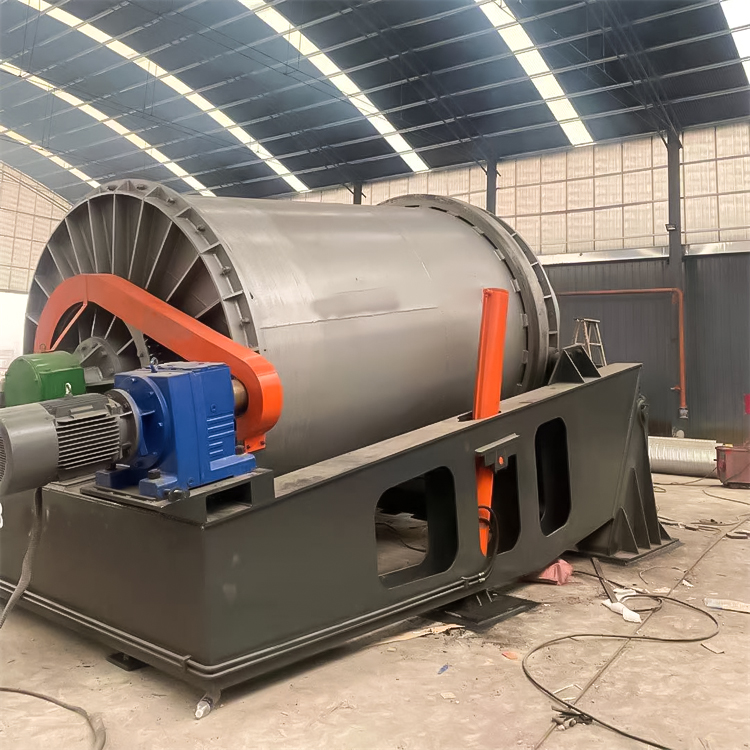
The first stage is classification and collection. Scrap copper originates from a wide variety of sources, including industrial offcuts, discarded wires and cables, copper components from old appliances, and copper piping from demolished buildings. Different types of scrap copper vary significantly in their copper content and impurity composition. Therefore, meticulous classification by type—such as segregating pure copper scrap, brass scrap, and bronze scrap—is essential during the initial stages of recovery. Scientific classification lays a solid foundation for subsequent processing and enhances overall recycling efficiency.
The second stage is separation and processing. Even after initial classification, scrap copper often remains commingled with other materials—such as plastics, rubber, insulation layers, and ferrous fittings—necessitating their removal through physical or chemical means. Common techniques include manual dismantling, mechanical shredding, magnetic separation to remove ferromagnetic substances, eddy current separation, and density sorting. For tin-plated copper wires or oil-contaminated scrap copper, additional pretreatment steps—such as degreasing and detinning—are required. The objective of this stage is to maximize the purity of the scrap copper, thereby creating optimal conditions for the subsequent smelting phase.
The third stage involves smelting and purification, which constitutes the core of the pyrometallurgical process. The processed scrap copper is fed into a smelting furnace and melted under high temperatures. During the melting process—depending on the quality of the scrap—appropriate amounts of slag-forming agents may be added to react with impurities, generating a slag that can then be skimmed off and removed. For scrap copper with lower copper content, additional refining steps—such as oxidation and reduction—are required to further eliminate impurities like lead, zinc, and tin, ultimately yielding molten copper of high purity. Some facilities further cast the pyrometallurgically refined molten copper into anode plates, which then undergo electrolytic refining to produce cathode copper with a purity exceeding 99.95%.
The final stage is reuse. The purified copper can either be cast into semi-finished products—such as ingots or rods—or directly processed into finished goods, such as copper wires, sheets, and pipes. These recycled copper products are widely utilized across sectors such as electric power, electronics, construction, transportation, and mechanical manufacturing; by re-entering the industrial production chain, they effectively realize the circular utilization of resources.
In summary, the pyrometallurgical recovery and recycling of scrap copper is a technologically intensive and intricately interconnected process. Through scientific classification, efficient separation, precise smelting, and advanced processing, discarded copper materials regain their value—thereby not only alleviating resource constraints but also fostering the sustainable development of the circular economy.